

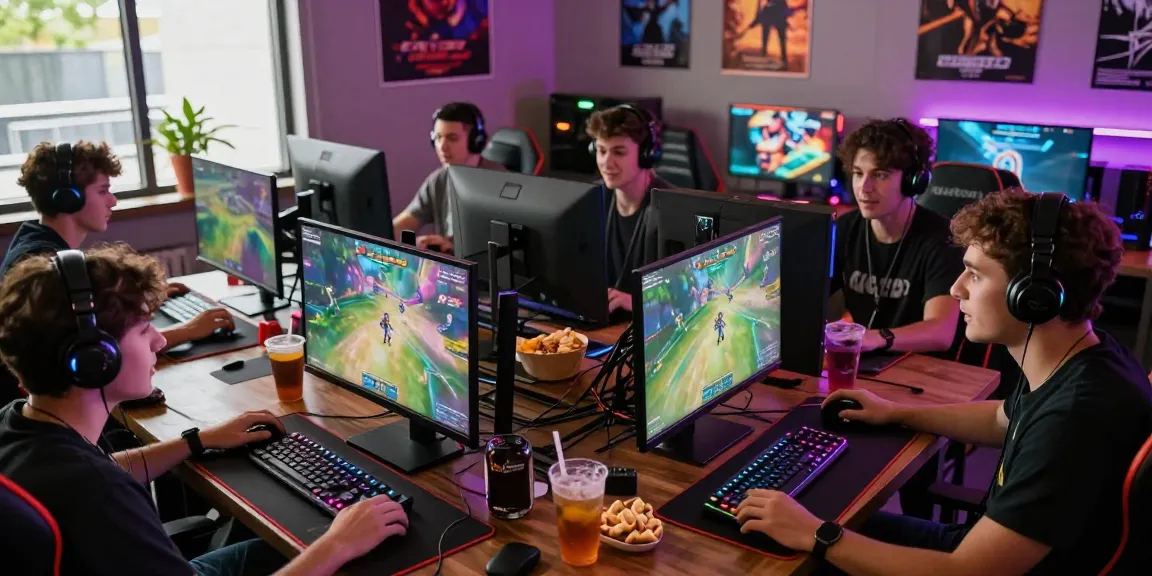
Understanding the Hit Club Culture
The gaming community is vast and diverse, characterized by its vibrant cultures and unique social dynamics. Within this realm, a concept that has been gaining momentum is that of the “hit club.” A hit club is much more than just a gathering place for gamers; it embodies a distinct culture that thrives on shared experiences, social connections, and immersive gameplay. Leveraging platforms like hit club can enhance these experiences by providing a space for community building and collaborative play.
What Defines a Hit Club?
A hit club can be described as an organized group of gamers who come together to enjoy gaming in a communal setting. This could be a physical space equipped with gaming consoles and computers, or a virtual environment that hosts online gaming sessions. What sets hit clubs apart is their emphasis on inclusivity, interaction, and shared passion for gaming. Members often engage not just in playing games, but also in discussions about strategies, lore, and the latest industry updates, fostering a rich communal experience.
Key Components of a Successful Gaming Environment
Creating a successful gaming environment involves several key components that cater to the needs and preferences of the gaming community:
- Comfortable Gaming Stations: Ergonomic chairs and high-quality equipment enhance the gaming experience, allowing players to immerse themselves without physical discomfort.
- Diverse Game Selection: A variety of games ensures that all members find something they enjoy, from casual party games to competitive esports titles.
- Community Engagement Areas: Designated spaces for socialization, where members can discuss strategies, share tips, or relax between gaming sessions, encourage camaraderie among players.
The Social Dynamics of Gaming Communities
The dynamics of social interaction within hit clubs are crucial for their success. Players often build friendships and rivalries that can enhance their gaming experience. This social aspect can lead to heightened engagement, as players feel a sense of belonging and commitment to the group. Additionally, events like game nights or tournaments can draw in new members, further enriching the community and expanding its reach.
Creating the Ideal Gaming Setup
Building the perfect gaming setup is essential for maximizing enjoyment and functionality. It requires careful consideration of not only the physical space but also the equipment and atmosphere.
Essential Equipment for Every Hit Club
Investing in high-quality equipment is crucial for any hit club. Essential gear typically includes:
- Gaming Consoles and PCs: Ensure that you have the latest generations of consoles and high-performance PCs to cater to various gaming preferences.
- High-Definition Displays: Large screens with excellent resolution can significantly enhance the visual experience.
- Stable Internet Connection: A reliable internet connection is vital for online gaming to prevent lag and disconnections.
Lighting and Ambiance: Setting the Mood
The right lighting can transform a gaming environment. Consider using adjustable LED lights to create an immersive atmosphere that can be tailored for different games or events. Soft, warm lighting can promote relaxation, while dynamic colors can energize players during competitive sessions.
Choosing the Right Games for your Audience
Understanding your audience’s preferences is key to selecting games that will resonate with members. Conducting surveys or informal polls can provide valuable insights into what titles are most desired. Offering a mix of genres—such as action, strategy, and role-playing games—ensures that there is something for everyone and keeps the engagement high.
Engagement Strategies for Hit Clubs
To maintain an active and robust community, hit clubs must implement effective engagement strategies that foster participation and enthusiasm.
Organizing Tournaments and Events
Tournaments can serve as a major draw for participants and spectators alike. Organizing regular competitions not only showcases members’ skills but also builds excitement and camaraderie. Consider creating a league format where players can compete over several weeks, culminating in a championship event that recognizes top performers.
Leveraging Social Media to Boost Participation
Utilizing social media platforms is essential for promoting events and engaging with the community outside of gaming sessions. Regularly posting updates, highlights from tournaments, and engaging content can attract new members and keep current ones informed and excited about upcoming activities.
Building Partnerships with Game Developers
Forging relationships with game developers can provide exclusive content, early access to games, and sponsorship opportunities for events. Developers often seek genuine interactions with players, making hit clubs an ideal platform for fostering these connections.
Maintaining a Thriving Community
Once a hit club is established, maintaining a thriving community requires ongoing efforts in management and engagement.
Best Practices for Community Management
Effective community management practices include setting clear guidelines for behavior, promoting inclusivity, and encouraging constructive feedback. Designating community leaders or moderators can help manage interactions and uphold standards within the group.
Handling Conflicts and Fostering Inclusivity
Conflicts may arise in any community; addressing them promptly and fairly is vital. Instituting a conflict resolution process where members can voice concerns helps maintain a respectful atmosphere. Additionally, fostering inclusivity—by encouraging diverse participation and creating a welcoming environment—ensures that all members feel valued and respected.
Gathering Feedback to Improve the Experience
Regularly soliciting feedback from members can lead to valuable insights that enhance the gaming experience. Implementing changes based on member suggestions demonstrates that their opinions are valued and can contribute to greater satisfaction and engagement within the club.
Future Trends in Gaming Clubs for 2026 and Beyond
The gaming landscape is constantly evolving, and hit clubs must adapt to stay relevant and appealing to members.
Technological Innovations Shaping the Gaming Experience
Advancements in technology, such as virtual reality (VR) and augmented reality (AR), will continue to influence how games are played and experienced. Hit clubs that embrace these technologies can offer unique gaming experiences that keep members engaged and excited about what’s next.
Predictions for Game Genres and Community Preferences
As gamers evolve, so do their preferences. Trends indicate a growing interest in cooperative gameplay and narrative-driven titles. Adapting to these trends by incorporating games that foster collaboration can enhance community spirit and engagement.
Preparing for the Next Generation of Gamers
As new gamers, particularly Gen Z and younger, enter the gaming landscape, hit clubs must be prepared to cater to their interests. This includes being mindful of inclusivity, mental health awareness, and environmental consciousness—values that resonate with younger audiences.
What Makes a Hit Club Different?
What differentiates a hit club from other gaming communities is its focus on building deep social ties and offering a tailored experience that prioritizes member needs. By fostering an environment of collaboration, competition, and social interaction, hit clubs can create lasting memories and relationships among gamers.
Integrating Esports into Your Club?
As esports continues to rise in popularity, integrating competitive gaming into a hit club’s activities can attract a larger audience and facilitate partnerships with sponsors. Consider hosting regular esports tournaments or forming a team to compete in local leagues to capitalize on this significant trend.
How to Attract Sponsors and Partnerships?
Securing sponsorships can provide financial support for events and resources. Demonstrating a strong community presence, active engagement, and a strategic event calendar can attract potential sponsors. Building a media kit that outlines the club’s demographics, engagement metrics, and event history can be invaluable when reaching out to brands.